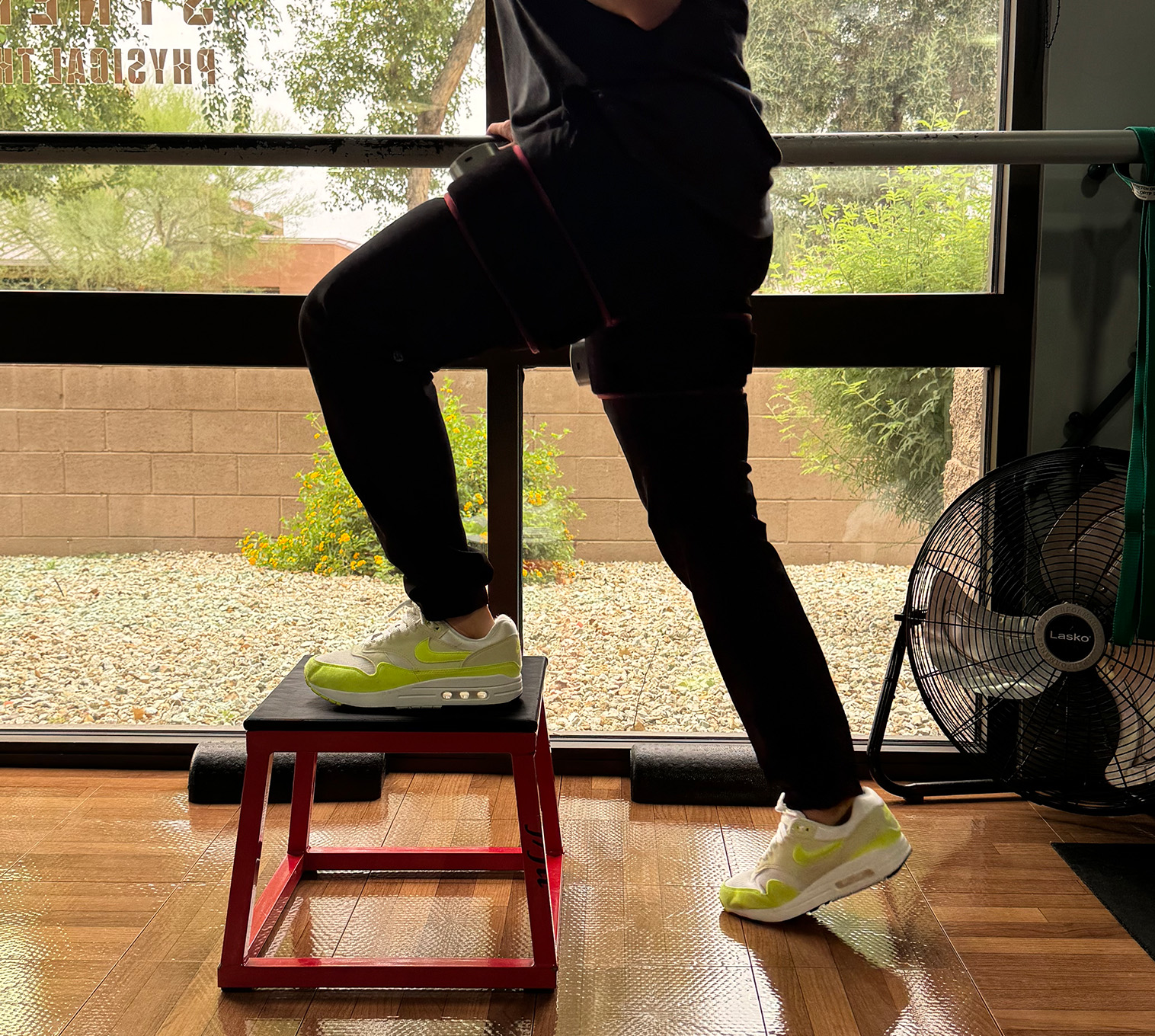
Strength Without the Strain

Blood Flow Restriction (BFR) Training

BFR training has become one of the most clinically studied tools in modern rehabilitation, and for good reason. Originally developed in Japan in the 1970s, it's now used by physical therapists, sports medicine physicians, and military rehab programs worldwide. Whether you're recovering from surgery or managing a chronic condition, BFR offers a way to rebuild strength when traditional loading simply isn't an option.


Treatment Quick Facts

Why is BFR training typically used?

BFR is most often used when patients need to build muscle strength but cannot tolerate heavy resistance — such as after orthopedic surgery, with osteoarthritis, or during early-stage injury recovery.

How is BFR administered?

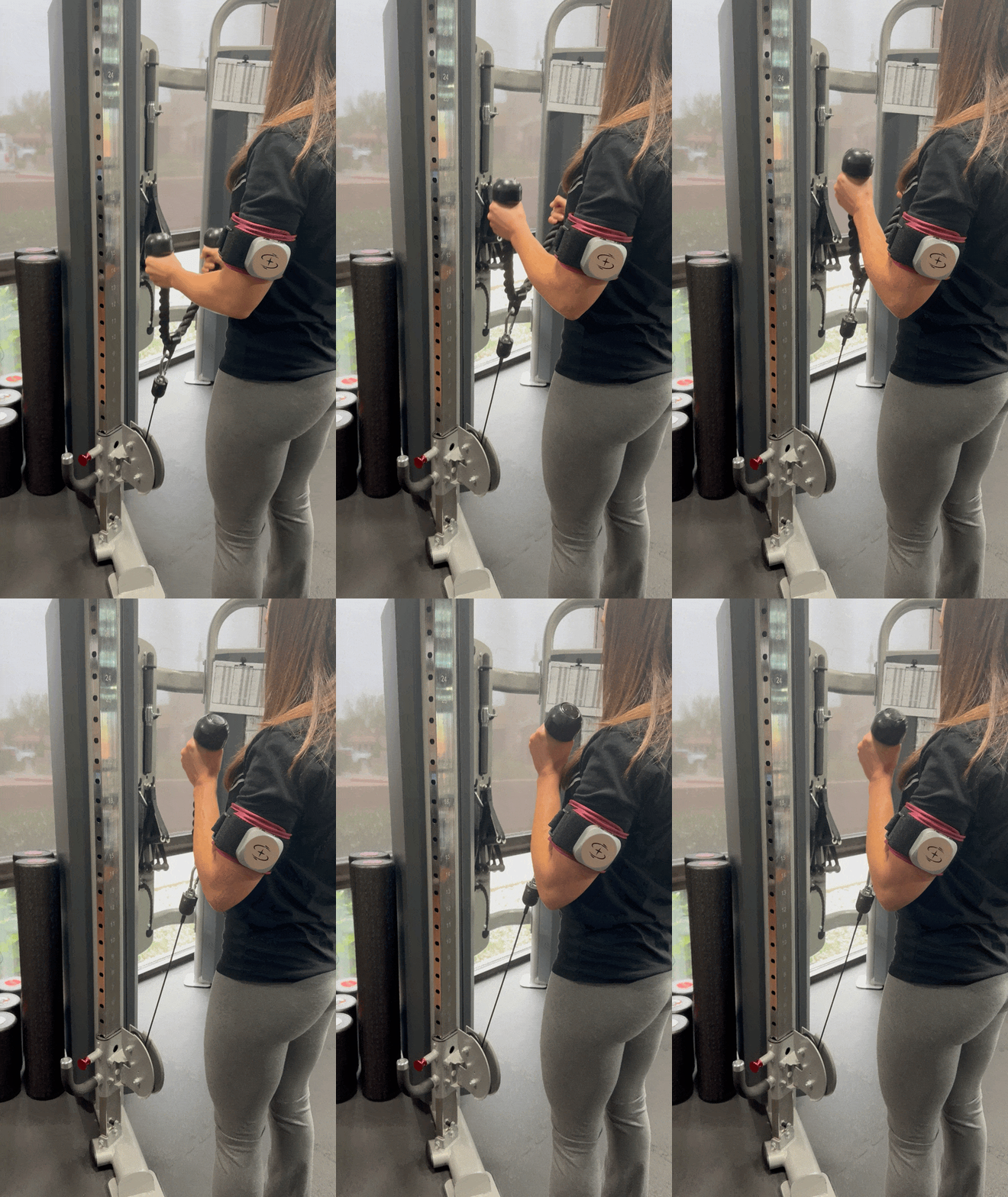
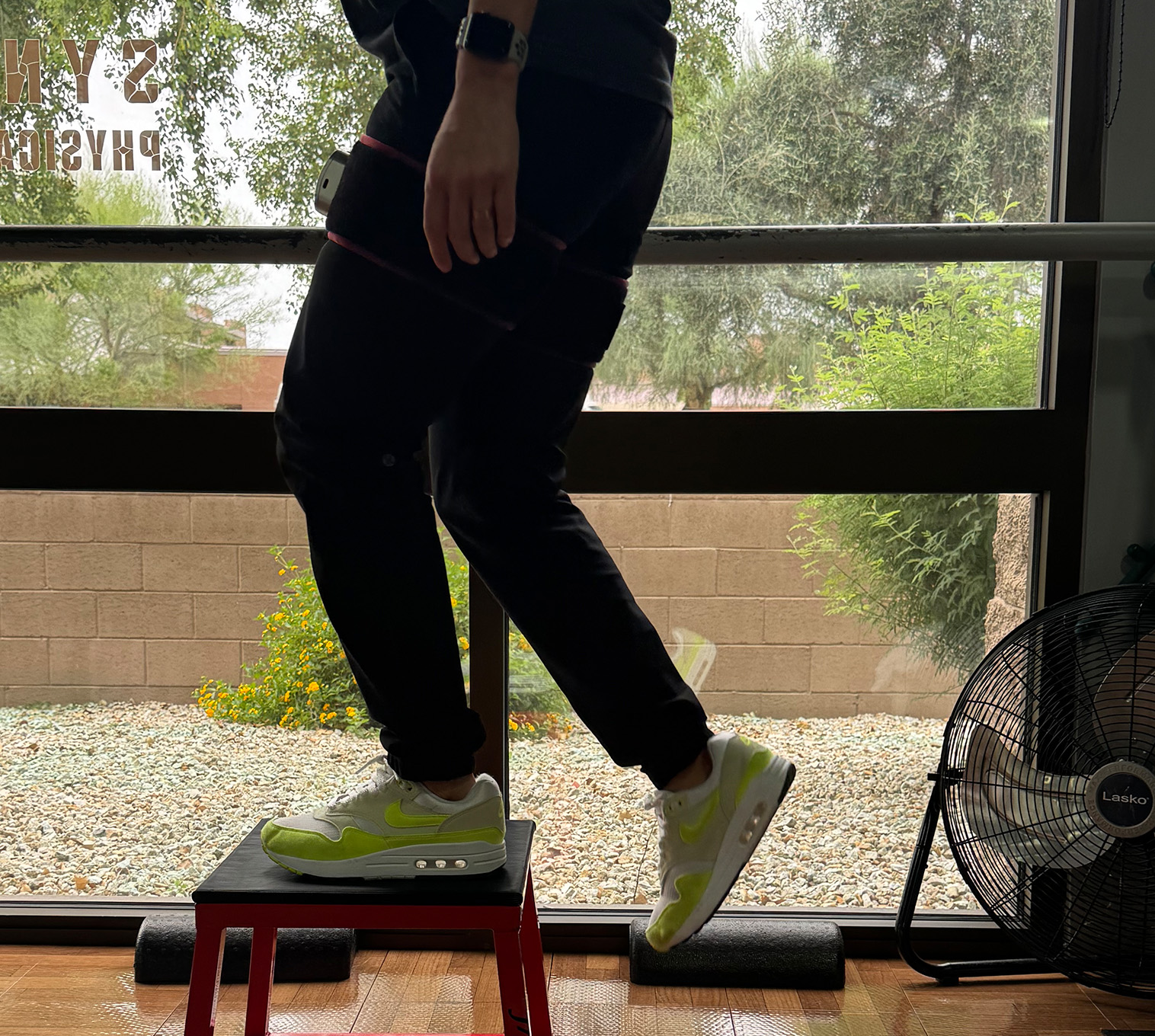
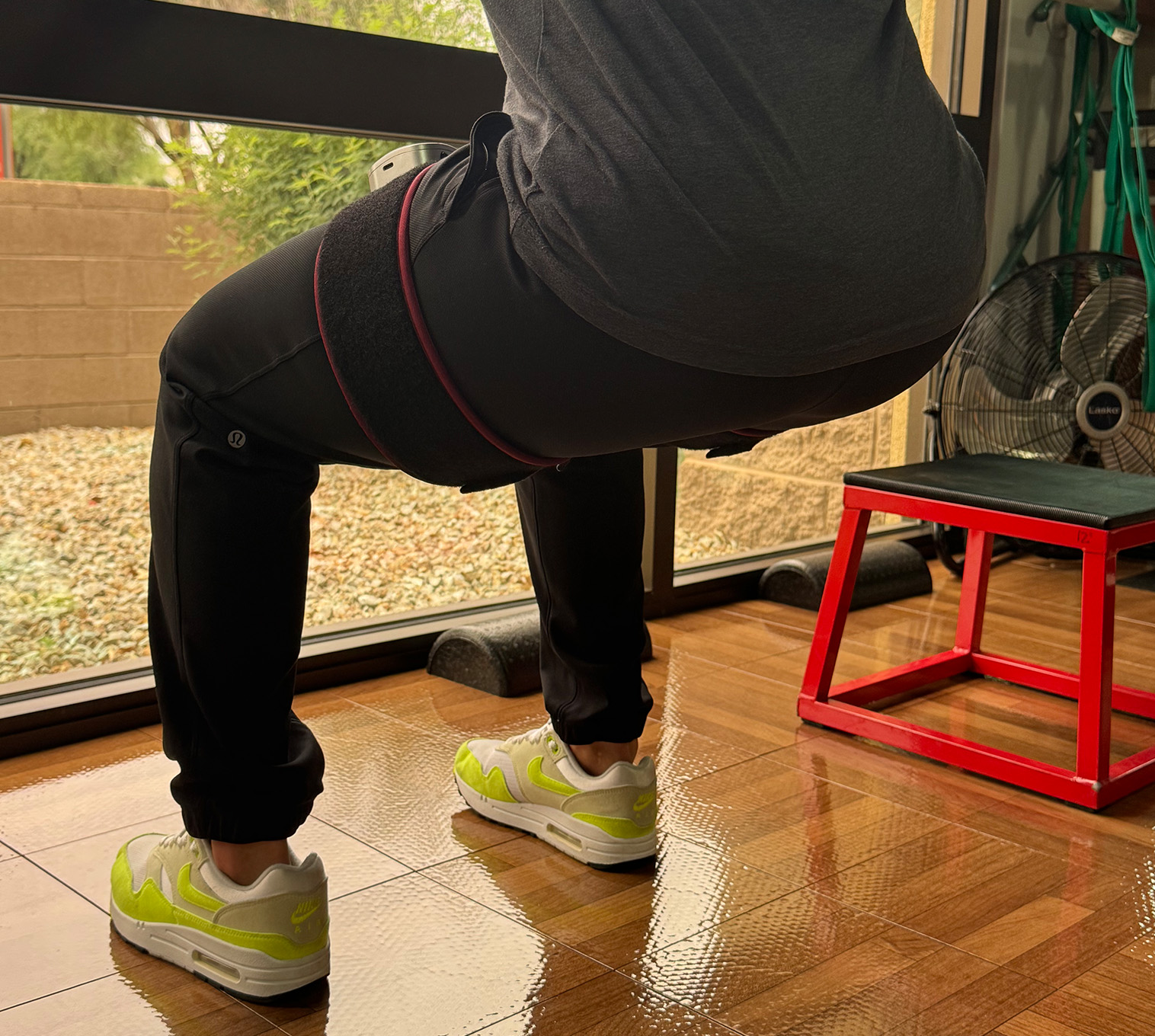
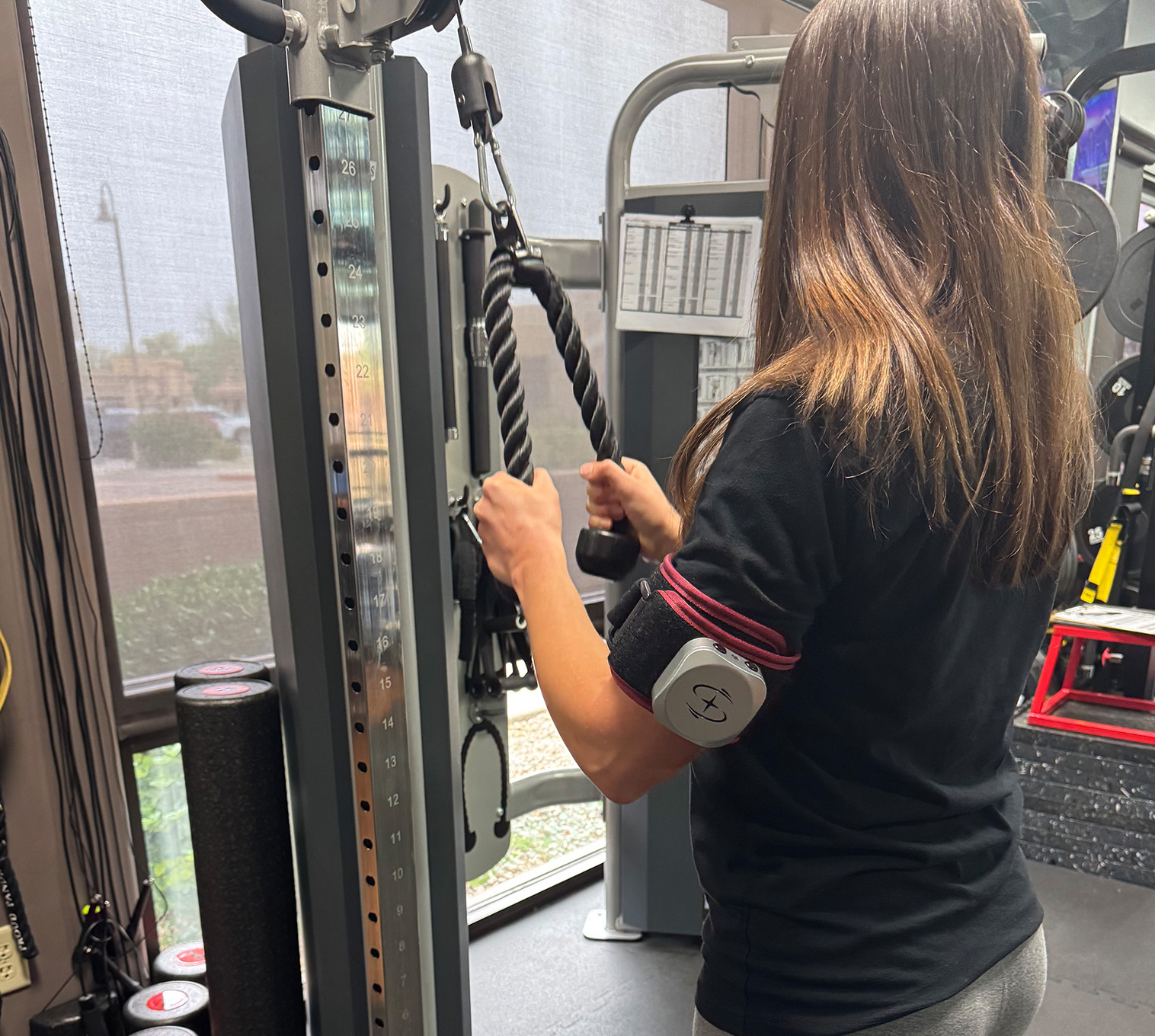
A specialized cuff is applied to the upper arm or upper leg and inflated to a carefully calibrated pressure. The patient then performs low-load exercises while the cuff partially restricts venous blood flow out of the limb. Sessions typically last 15-20 minutes.

Is BFR training painful?

Most patients experience a sensation of muscle fatigue or a mild burning feeling during the exercise sets — similar to the feeling of a hard workout. The cuff pressure itself should not be painful. Your therapist will monitor your response throughout the session and adjust as needed.

BFR works by applying a specialized cuff to the arm or leg and inflating it to a personalized pressure that partially restricts blood flow returning from the limb.

During exercise, this creates metabolic stress and muscle fatigue at much lower loads than traditional strength training, triggering the same muscle-building signals your body would normally require heavy weights to produce.

This makes BFR particularly valuable for patients who are not yet cleared for high-load exercise, including those recovering from ACL reconstruction, rotator cuff repair, joint replacement, or significant soft tissue injuries. It is also a useful tool for patients managing osteoarthritis, where heavy joint loading is not well tolerated.

Not everyone is a candidate for BFR. Your Synergy therapist will conduct a thorough assessment before recommending it, taking into account your cardiovascular health, tissue healing stage, and overall treatment goals. If BFR is appropriate, it will be integrated into a complete, individualized plan alongside hands-on manual therapy and progressive exercise, not used as a standalone shortcut.


 

Cupping may be used to help patients with a number of conditions, including:


Shoulder Pain
Knee Pain
Muscle Pain

Blood Flow Restriction Training benefits include:

Building muscle strength with low joint loading

Improving muscle activation in inhibited or weakened tissue

Reducing muscle atrophy during post-surgical recovery

Supporting strength gains when heavy resistance is contraindicated

Is this treatment right for you?

Schedule an appointment to discuss this treatment with a Synergy therapist.

Contact Information

CAPTCHA
Solve this simple math problem and enter the result. E.g. for 1+3, enter 4.
This question is for testing whether or not you are a human visitor and to prevent automated spam submissions.